Your liver works tirelessly — filtering toxins, metabolizing nutrients, and producing bile. Yet, modern diets, alcohol, medications, and environmental pollutants can overwhelm this vital organ. This is where the right food supplement for liver health can make a transformative difference. But not all supplements are created equal. In this comprehensive guide, you’ll learn exactly which science-backed food supplements truly support liver function, how to take them safely, and how to avoid the common mistakes that render them useless.
Understanding Your Liver: The Master Detoxifier
Your liver performs over 500 vital functions. It filters every drop of blood from your digestive tract, metabolizes drugs and alcohol, stores vitamins and minerals, and converts nutrients into usable energy. When liver function declines, you don’t just feel tired — every system in your body suffers. A targeted food supplement for liver support can help maintain its resilience, but only when combined with a holistic approach.
Signs Your Liver Needs Extra Support
Many people walk around with a sluggish liver and don’t even know it. Look out for these subtle but telling signs:
- Unexplained fatigue and brain fog
- Digestive discomfort, bloating, or nausea
- Dull ache in the upper right abdomen
- Skin issues or a yellowish tint to the eyes
- Difficulty losing weight
- Increased sensitivity to alcohol or medications
If these resonate, it might be time to explore a high-quality food supplement for liver health.
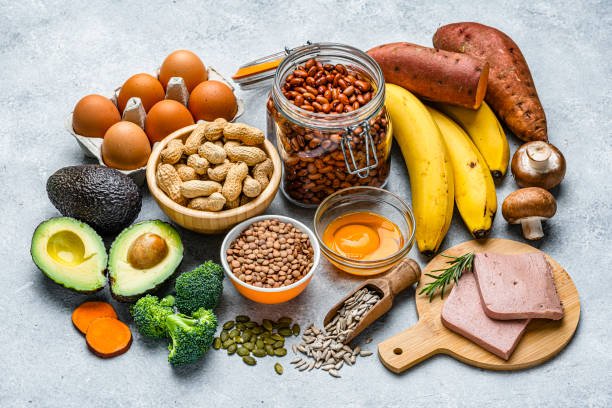
Top 7 Food Supplements for Liver Health (Evidence-Based)
Below are the most research-backed food supplements that have demonstrated measurable benefits for liver function, enzyme levels, and detoxification pathways.
1. Milk Thistle (Silymarin)
The Gold Standard Liver Protector
Milk thistle has been used for over 2,000 years, and modern science confirms its active compound, silymarin, acts as a powerful antioxidant and anti-inflammatory. It strengthens liver cell walls, stimulates protein synthesis, and promotes regeneration.
- Key Evidence: A meta-analysis of 12 clinical trials found silymarin significantly reduced liver enzymes ALT and AST in people with fatty liver disease.
- How to Take: Look for standardized extracts containing 70-80% silymarin. Typical dose: 150-300 mg, 2-3 times daily.
- Best For: Fatty liver, alcohol-related liver damage, environmental toxin exposure.
2. N-Acetyl Cysteine (NAC)
The Master Antioxidant Precursor
NAC is a precursor to glutathione, your body’s most powerful intracellular antioxidant. Liver tissue demands glutathione to neutralize toxins, and NAC is the most reliable way to replenish it. It’s so effective that hospitals use intravenous NAC to treat acetaminophen overdose.
- Key Evidence: Studies show oral NAC significantly improves liver function markers in non-alcoholic fatty liver disease (NAFLD) and reduces oxidative stress.
- How to Take: 600-1,200 mg daily, ideally divided into two doses. Take with food to minimize stomach discomfort.
- Best For: Detox support, medication-induced stress, metabolic liver conditions.
3. Turmeric (Curcumin)
Anti-Inflammatory Powerhouse
Curcumin, the active polyphenol in turmeric, combats liver inflammation and bile duct congestion. It also enhances the production of enzymes that break down dietary fats and toxins.
- Key Evidence: A 2022 systematic review found curcumin supplementation significantly reduced liver fat content and improved AST/ALT levels.
- How to Take: Pair with black pepper (piperine) to boost absorption by up to 2,000%. Dose: 500-1,000 mg of standardized curcuminoids daily.
- Best For: Inflammation-driven liver issues, bile flow support, fatty liver.
4. Artichoke Leaf Extract
Bile Flow and Regeneration
Artichoke leaf contains cynarin and chlorogenic acid, which stimulate bile production and protect liver cells. Improved bile flow means better digestion of fats and elimination of cholesterol-based toxins.
- Key Evidence: Clinical trials show artichoke extract significantly reduces ALT and AST levels in patients with elevated liver enzymes, with effects noticeable in 4-8 weeks.
- How to Take: Standardized to 5-6% caffeoylquinic acids. Typical dose: 500-1,800 mg daily in divided doses.
- Best For: Indigestion linked to bile insufficiency, non-alcoholic fatty liver, mild enzyme elevations.
5. Dandelion Root
Nature’s Diuretic and Liver Tonic
Often dismissed as a weed, dandelion root has a long history in traditional medicine for liver and kidney support. It increases bile flow and acts as a gentle diuretic to flush out waste products.
- Key Evidence: Animal studies demonstrate dandelion root extract protects against chemically induced liver injury and reduces fat accumulation.
- How to Take: As a tea (1-2 teaspoons of dried root steeped) or standardized capsule. No standard dosage, but 500-1,000 mg daily is common.
- Best For: Mild fluid retention, sluggish digestion, complementary liver support.
6. Alpha-Lipoic Acid (ALA)
Fat-Soluble and Water-Soluble Antioxidant
ALA’s unique dual solubility allows it to work in every cell compartment and regenerate other antioxidants like vitamins C and E. It significantly reduces liver inflammation and fibrosis markers.
- Key Evidence: A randomized controlled trial on NAFLD patients found 600 mg of ALA daily for 12 weeks reduced liver enzyme levels and improved liver echotexture on ultrasound.
- How to Take: 300-600 mg daily on an empty stomach for optimal absorption.
- Best For: Metabolic liver disease, insulin resistance-related liver stress, nerve-related liver-spleen patterns.
7. Selenium
The Trace Mineral That Packs a Punch
Selenium is a cofactor for glutathione peroxidase, one of the liver’s critical detox enzymes. Deficiency is surprisingly common and directly linked to impaired liver detox capacity.
- Key Evidence: Population studies show higher selenium levels are associated with lower incidence of liver cancer and better outcomes in hepatitis patients.
- How to Take: The preferred form is selenomethionine or selenium yeast. Dose: 100-200 mcg daily. Never exceed 400 mcg.
- Best For: Viral hepatitis support, thyroid-liver axis balance, antioxidant synergy.
ConsumerLab.com – independent supplement testing (for trust signal)
Comparison Table: Quick Overview of the Best Liver Supplements
| Supplement | Primary Mechanism | Key Dose (Daily) | Best For |
|---|---|---|---|
| Milk Thistle | Antioxidant, cell regeneration | 150-300 mg (80% silymarin) | Fatty liver, toxin exposure |
| NAC | Glutathione precursor | 600-1,200 mg | Detox, medication overload |
| Turmeric (Curcumin) | Anti-inflammatory | 500-1,000 mg (with piperine) | Inflammation, bile flow |
| Artichoke Leaf | Choleretic, hepatoprotective | 500-1,800 mg | Bile insufficiency, enzyme elevation |
| Dandelion Root | Bile stimulant, diuretic | 500-1,000 mg | Sluggish liver, fluid retention |
| ALA | Mitochondrial antioxidant | 300-600 mg | Metabolic liver stress |
| Selenium | Enzyme cofactor | 100-200 mcg | Detox enzyme support |
How to Choose a Quality Liver Supplement (5-Point Checklist)
Not all bottles on the shelf deserve your trust. Use this checklist when shopping for any food supplement for liver optimization:
- Standardized Extracts: Look for “standardized to contain X% active compound” (e.g., 80% silymarin).
- Third-Party Testing: Seals from USP, NSF, or ConsumerLab ensure potency and purity.
- No Unnecessary Fillers: Avoid products with titanium dioxide, hydrogenated oils, or artificial colors.
- Bioavailability Enhancement: For curcumin, black pepper extract (Bioperine) is essential. Liposomal delivery systems are a bonus.
- Transparent Labeling: Every compound should list the exact amount, not just a proprietary blend.
Pros and Cons of Natural Liver Supplements
| Pros | Cons |
|---|---|
| Address root physiological imbalances | Not a replacement for medical treatment |
| Generally well-tolerated with low side effect risk | Quality varies wildly across brands |
| Synergistic with lifestyle changes | May interact with prescription drugs |
| Can improve energy and digestion within weeks | Effects are gradual, not instantaneous |
| Cost-effective long-term investment | Requires consistency and patience |
Common Mistakes That Sabotage Your Liver Health
- Taking supplements with alcohol: Alcohol directly counteracts the hepatoprotective action of supplements. The two should never mix.
- Skipping diet fundamentals: A liver supplement can’t out-run a diet high in sugar, fried foods, and processed meats.
- Megadosing without guidance: More isn’t always better. Excessive selenium or vitamin A can cause liver injury.
- Ignoring drug interactions: Milk thistle and turmeric can alter how your liver processes certain medications (blood thinners, statins, etc.). Always consult your healthcare provider.
- Expecting overnight results: Liver regeneration takes time. Consistency for 8-12 weeks is key to seeing enzymatic changes.
Diet and Lifestyle: The Non-Negotiable Foundation
Even the best food supplement for liver support will fail without these pillars:
- Hydrate with purpose: Warm lemon water first thing in the morning stimulates gentle liver detoxification.
- Embrace bitter greens: Arugula, dandelion greens, and radicchio naturally enhance bile production.
- Prioritize cruciferous vegetables: Broccoli, Brussels sprouts, and kale contain sulforaphane, which upregulates detox enzymes.
- Reduce fructose: High-fructose corn syrup is a major driver of fatty liver. Cut out soda and ultra-processed foods.
- Move daily: Just 30 minutes of walking lowers liver fat by improving insulin sensitivity.
Frequently Asked Questions (FAQs)
What is the single best food supplement for liver repair?
While individual needs vary, milk thistle (silymarin) has the most extensive clinical evidence for liver cell regeneration and enzyme normalization. For toxin-related stress, NAC is equally critical due to its glutathione-boosting effect.
How long does it take for liver supplements to work?
Most clinical studies show measurable improvements in liver enzyme levels after 8 to 12 weeks of consistent daily supplementation. Subjective improvements in energy and digestion may appear sooner.
Can I take multiple liver supplements together?
Yes, many formulations combine milk thistle, artichoke, and turmeric safely. However, always check for overlapping mechanisms and total daily doses to avoid excessive intake. Starting with one supplement and adding a second after 2-3 weeks is a safer approach.
Are liver supplements safe during pregnancy?
No. Most liver supplements, including milk thistle and NAC, lack sufficient safety data during pregnancy and should be avoided unless directly prescribed by a specialist.
Can food supplements really reverse fatty liver disease?
They can significantly contribute to reversal when combined with weight loss and dietary changes. Curcumin and NAC, in particular, have been shown to reduce liver fat percentage in controlled trials.
Conclusion: Your Next Best Step
Your liver is remarkably resilient, but it gives you silent signals long before labs sound the alarm. Choosing the right food supplement for liver support — whether it’s milk thistle for regeneration, NAC for detox power, or curcumin for inflammation — can be the game-changer your metabolism and energy levels need. Start with one high-quality supplement that matches your specific health profile, pair it with a liver-friendly diet, and give it 90 days. Always inform your healthcare provider about your choice, especially if you take prescription medications.
Take the first step today: review the checklist above, pick your supplement, and treat your liver like the precious lifeline it truly is.