
A high protein diet for weight loss can help you shed pounds while keeping muscle mass and staying satisfied between meals. This approach works for busy professionals, fitness enthusiasts, and anyone tired of feeling hungry on restrictive diets.
Protein does more than build muscle—it boosts your metabolism, reduces cravings, and helps you feel full longer than carbs or fats alone. The key is knowing which foods pack the biggest protein punch and how much you actually need each day.
We’ll break down the science of how protein helps burn fat, show you the best high-protein foods to stock your kitchen, and give you practical meal ideas that fit into real life. You’ll also learn the most common protein diet mistakes that can sabotage your results and exactly how to avoid them.
CitrusBurn Review 2026 – Is It Worth It?
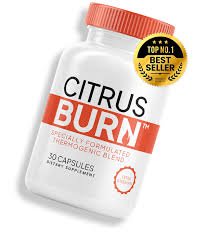
⭐ Rating: 4.8 / 5
🔥 Category: Weight Loss Supplement
⚡ Best For: Fast fat burning & metabolism boost
🌿 Formula: Natural & plant-based
💰 Guarantee: 60-Day Money Back
👉 Get CitrusBurn Now (Official Site)🔥 Key Benefits
- ✔ Accelerates fat burning naturally
- ✔ Boosts metabolism and energy levels
- ✔ Helps reduce stubborn belly fat
- ✔ Supports overall weight management
✔ Pros
- Natural ingredients
- No major side effects
- Easy to use daily
- Strong fat-burning support
✖ Cons
- Only available online
- Results vary by user
Science Behind Protein and Weight Loss
How protein boosts metabolism and burns more calories
Protein acts like a metabolic furnace in your body, requiring significantly more energy to digest, absorb, and process compared to carbohydrates or fats. When you eat protein-rich foods, your metabolic rate increases by 20-30% for several hours after eating. This means if you consume 100 calories of protein, your body actually burns about 25-30 calories just processing it.
Your muscles are metabolically active tissue, and protein helps build and maintain muscle mass. Each pound of muscle burns approximately 6-7 calories per day at rest, while fat tissue only burns 2-3 calories. By maintaining higher protein intake, you preserve and potentially build muscle, creating a higher baseline metabolic rate that burns more calories even when you’re sleeping.
Research shows that people following high-protein diets burn an average of 80-100 more calories daily compared to those eating standard protein amounts. Over time, this seemingly small difference compounds into significant weight loss results.
Protein’s role in reducing appetite and controlling cravings
Protein powerfully influences your hunger hormones, creating a natural appetite suppression effect that makes weight loss much easier. When you eat protein, it triggers the release of satiety hormones like GLP-1, PYY, and CCK while suppressing ghrelin, the hormone responsible for making you feel hungry.
Studies consistently show that people eating high-protein meals feel fuller for 3-4 hours longer than those eating carbohydrate or fat-heavy meals. This extended satiety means you naturally eat fewer calories throughout the day without feeling deprived or fighting constant hunger pangs.
Protein also helps stabilize blood sugar levels, preventing the energy crashes that typically lead to intense cravings for sugary or high-calorie foods. When your blood sugar remains steady, you avoid the rollercoaster of hunger and satisfaction that derails many weight loss efforts.
The amino acids in protein directly affect brain chemistry, increasing production of neurotransmitters like dopamine and serotonin that regulate mood and reduce stress-related eating. This neurochemical effect helps break the cycle of emotional eating that sabotages weight loss goals.
Muscle preservation benefits during weight loss
Weight loss without adequate protein intake often results in losing both fat and muscle tissue. Losing muscle is counterproductive because it slows your metabolism and creates a softer, less toned appearance even after reaching your goal weight.
Protein provides the essential amino acids your muscles need to maintain their structure during caloric restriction. When you’re eating fewer calories, your body looks for alternative energy sources, and muscle protein becomes a target. Consuming adequate protein signals your body to preserve muscle tissue and primarily burn stored fat instead.
Research demonstrates that people eating 1.2-1.6 grams of protein per kilogram of body weight during weight loss maintain significantly more muscle mass compared to those eating standard protein amounts. This muscle preservation translates to better long-term weight maintenance and improved body composition.
Resistance training combined with higher protein intake creates an even more powerful muscle-preserving effect. The protein provides building blocks for muscle repair and growth, while exercise stimulates muscle protein synthesis, ensuring you lose fat while maintaining or even building lean tissue.
Thermic effect of food with high protein intake
The thermic effect of food (TEF) represents the temporary increase in energy expenditure that occurs after eating. Protein has the highest TEF of all macronutrients, requiring 20-30% of its calories for digestion and metabolism, compared to 5-10% for carbohydrates and 0-5% for fats.
This metabolic boost begins within an hour of eating protein and can last up to six hours. During this time, your body temperature slightly increases, your heart rate elevates, and cellular processes work harder to break down and utilize the protein. This increased metabolic activity burns additional calories without any extra effort on your part.
The TEF effect becomes more pronounced with larger protein servings and when protein is consumed throughout the day rather than in one large meal. Spreading protein intake across multiple meals maintains an elevated metabolic rate for longer periods, maximizing calorie burn.
Different protein sources create varying degrees of thermic effect. Lean meats, fish, and eggs typically produce the highest TEF, while protein powders and processed protein products may have slightly lower effects. Choosing whole food protein sources maximizes this metabolic advantage while providing additional nutrients that support overall health and weight loss efforts.
Essential High-Protein Foods for Maximum Weight Loss
Lean meats and poultry for sustained energy
Chicken breast remains the gold standard for weight loss protein, packing 31 grams of protein per 100 grams with minimal fat. Choose skinless options to maximize protein while keeping calories in check. Turkey breast offers similar benefits with slightly fewer calories, making it perfect for meal prep.
Lean beef cuts like sirloin, tenderloin, and 93% lean ground beef provide complete amino acid profiles your muscles need for recovery and growth. These cuts deliver 20-25 grams of protein per serving while supplying iron and B-vitamins that boost energy production.
Pork tenderloin surprises many as one of the leanest protein sources available, containing less fat than skinless chicken thighs. A 3-ounce serving provides 22 grams of protein with only 122 calories.
Fish and seafood for omega-3 benefits
Salmon delivers 22 grams of protein per serving while providing heart-healthy omega-3 fatty acids that reduce inflammation and support metabolism. Wild-caught varieties typically contain higher omega-3 levels than farm-raised options.
White fish like cod, halibut, and tilapia offer extremely lean protein sources with 20-25 grams per serving and virtually no fat. These mild-flavored options work well for those new to eating more fish.
Shellfish pack impressive protein with added minerals. Shrimp contains 18 grams of protein per 3-ounce serving with only 84 calories. Crab and lobster provide similar benefits with the bonus of selenium for thyroid function.
Plant-based proteins for fiber and nutrients
Lentils combine 18 grams of protein per cooked cup with 15 grams of fiber, creating powerful satiety that helps control appetite. Red, green, and black varieties each offer slightly different nutrient profiles and flavors for variety.
Quinoa stands out as a complete protein grain, containing all nine essential amino acids. One cooked cup provides 8 grams of protein plus complex carbohydrates for sustained energy during workouts.
| Protein Source | Protein (per cup) | Fiber (grams) | Calories |
|---|---|---|---|
| Black beans | 15g | 15g | 227 |
| Chickpeas | 12g | 12g | 210 |
| Tofu (firm) | 20g | 3g | 181 |
| Tempeh | 31g | 9g | 320 |
Hemp seeds pack 10 grams of protein per 3 tablespoons with healthy fats and magnesium. Sprinkle them on salads or blend into smoothies for easy protein boosting.
Dairy products for calcium and muscle building
Greek yogurt delivers double the protein of regular yogurt, with 15-20 grams per 6-ounce serving. Choose plain varieties to avoid added sugars, then sweeten with berries or a drizzle of honey.
Cottage cheese provides casein protein that digests slowly, making it ideal for evening snacks to support overnight muscle recovery. Low-fat versions offer 14 grams of protein per half cup.
Low-fat milk and unsweetened plant-based alternatives like pea protein milk give you convenient liquid protein for smoothies and post-workout recovery drinks.
Protein-rich snacks for between-meal satisfaction
Hard-boiled eggs deliver 6 grams of complete protein each and can be prepared in batches for grab-and-go convenience. The combination of protein and healthy fats keeps hunger at bay between meals.
Protein bars with minimal added sugar and at least 15 grams of protein work well for busy schedules. Look for bars with recognizable ingredients and avoid those with more sugar than protein.
Mixed nuts and seeds provide protein plus healthy fats, though portion control matters due to calorie density. A quarter cup of almonds offers 6 grams of protein and satisfying crunch.
Beef or turkey jerky gives you portable protein, but check labels for sodium content and avoid varieties with added sugars. Quality jerky provides 10-15 grams of protein per serving.
Daily Protein Requirements and Meal Planning
Calculate your optimal daily protein intake
Your protein needs depend on several key factors: your body weight, activity level, and weight loss goals. The standard recommendation for sedentary adults is 0.8 grams per kilogram of body weight, but when you’re trying to lose weight, you need significantly more to preserve muscle mass and boost metabolism.
For weight loss, aim for 1.2 to 1.6 grams of protein per kilogram of body weight. If you weigh 150 pounds (68 kg), that translates to 82-109 grams daily. Active individuals or those doing strength training should target the higher end of this range, around 1.6 to 2.2 grams per kilogram.
Here’s a simple calculation method:
| Activity Level | Protein per kg body weight | Example (150 lb person) |
|---|---|---|
| Sedentary weight loss | 1.2-1.4g | 82-95g daily |
| Moderately active | 1.4-1.6g | 95-109g daily |
| Very active/strength training | 1.6-2.2g | 109-150g daily |
Your age also matters. People over 50 should lean toward higher protein intake (1.6-2.0g per kg) to combat age-related muscle loss. Remember, these are starting points – track your progress and adjust based on how your body responds.
Distribute protein throughout the day effectively
Spreading protein evenly across your meals maximizes muscle protein synthesis and keeps you satisfied longer. Your body can only process about 25-30 grams of protein effectively at one time for muscle building, though it can handle more for general metabolic needs.
The ideal distribution follows the “protein at every meal” rule:
- Breakfast: 25-30g (sets the tone for stable blood sugar)
- Lunch: 25-30g (maintains energy and prevents afternoon cravings)
- Dinner: 25-30g (supports overnight muscle recovery)
- Snacks: 10-15g (bridges gaps between meals)
This approach beats cramming most of your protein into one large meal. When you eat 60 grams at dinner but skip protein at breakfast, you miss opportunities for muscle protein synthesis throughout the day.
Smart distribution strategies include starting each meal by planning your protein source first, then building the rest of the meal around it. Keep portable protein options handy – Greek yogurt, protein powder, hard-boiled eggs, or nuts work well for snacks.
Pre and post-workout protein timing strategies
Workout nutrition timing can enhance your weight loss results, but it’s less critical than hitting your daily protein target. The “anabolic window” isn’t as narrow as once believed, but strategic timing still offers benefits.
Pre-workout protein (1-3 hours before exercise):
- Provides amino acids during training
- Prevents muscle breakdown
- Choose easily digestible options like protein powder or Greek yogurt
- Aim for 15-25 grams
Post-workout protein (within 2 hours after exercise):
- Kickstarts muscle recovery and growth
- Pairs well with carbs for glycogen replenishment
- Target 20-30 grams of high-quality protein
- Whey protein, chocolate milk, or a balanced meal work well
For early morning workouts, don’t stress about pre-workout protein if you’re short on time. A post-workout protein source within a few hours is more important. Evening exercisers can count their post-workout meal as dinner.
The key is consistency rather than perfect timing. If you’re hitting your daily protein goals and training regularly, you’re already doing most of the work needed for successful weight loss.
High-Protein Meal Ideas and Recipes
Quick breakfast options to start your day strong
Protein-packed breakfasts set the tone for successful weight loss by stabilizing blood sugar and reducing cravings throughout the day. Greek yogurt parfait with berries and nuts delivers 25-30 grams of protein while satisfying your sweet tooth. Mix 1 cup of plain Greek yogurt with a handful of mixed berries and 2 tablespoons of chopped almonds or walnuts.
Scrambled eggs with vegetables create another powerhouse breakfast. Three large eggs provide about 18 grams of protein, and adding spinach, bell peppers, and mushrooms boosts fiber without excess calories. For busy mornings, prepare overnight protein oats by combining 1/2 cup rolled oats, 1 scoop protein powder, 1 tablespoon chia seeds, and almond milk.
Protein smoothies offer maximum convenience. Blend 1 cup unsweetened almond milk, 1 scoop vanilla protein powder, 1/2 banana, and 1 tablespoon almond butter for 30+ grams of protein. Make-ahead egg muffins work perfectly for grab-and-go mornings. Whisk 8 eggs with diced ham, cheese, and vegetables, then bake in muffin tins for portion-controlled breakfast options.
Satisfying lunch combinations for sustained fullness
Lunch combinations that pair lean proteins with complex carbs and healthy fats keep you energized without afternoon crashes. Grilled chicken salad bowls with quinoa provide complete nutrition. Start with 4 ounces of grilled chicken breast (35 grams protein), add 1/2 cup cooked quinoa, mixed greens, cherry tomatoes, cucumber, and avocado slices.
Tuna and white bean salad offers plant and animal protein together. Mix one can of tuna with 1/2 cup white beans, diced celery, red onion, and a lemon-olive oil dressing. This combination delivers approximately 40 grams of protein and plenty of fiber.
Turkey and hummus wraps using large lettuce leaves instead of tortillas cut carbs while maintaining satisfaction. Spread 3 tablespoons hummus on lettuce, add 4 ounces sliced turkey, shredded carrots, and bell pepper strips. Salmon and sweet potato combinations work beautifully too. Bake 4 ounces of salmon with herbs alongside roasted sweet potato cubes and steamed broccoli.
Leftover protein from dinner transforms easily into lunch salads. Slice leftover steak over mixed greens with cherry tomatoes and balsamic vinaigrette, or add leftover grilled fish to a Mediterranean-style salad with olives and feta cheese.
Dinner recipes that promote overnight fat burning
Evening meals should emphasize lean proteins and vegetables while minimizing heavy carbohydrates that can interfere with fat burning during sleep. Baked cod with roasted Brussels sprouts creates an ideal fat-burning dinner. Season 6 ounces of cod with herbs and lemon, then bake at 400°F for 15 minutes. Roast Brussels sprouts with olive oil, garlic, and red pepper flakes.
Chicken and vegetable stir-fry using coconut oil provides protein and healthy fats that support overnight metabolism. Cut 5 ounces chicken breast into strips, stir-fry with broccoli, snap peas, and bell peppers. Season with ginger, garlic, and low-sodium soy sauce.
Lean beef lettuce wraps satisfy cravings without excess calories. Brown 4 ounces 93% lean ground beef with onions and seasonings, then serve in butter lettuce cups with diced tomatoes and avocado. Turkey meatballs with zucchini noodles offer comfort food satisfaction. Mix ground turkey with egg, herbs, and spices, then bake and serve over spiralized zucchini with marinara sauce.
Grilled salmon with asparagus provides omega-3 fatty acids that support fat metabolism. Grill 5 ounces salmon with lemon and herbs, alongside grilled asparagus spears drizzled with olive oil and garlic.
Emergency protein snacks for busy schedules
Portable protein snacks prevent poor food choices when hunger strikes unexpectedly. Hard-boiled eggs prepared weekly provide instant protein anywhere. Keep a container of 6-8 eggs in the refrigerator for quick 6-gram protein fixes. Greek yogurt cups offer convenience, but choose plain varieties with 15+ grams protein and add your own berries.
Protein bars work when you choose carefully. Look for bars with at least 20 grams protein and under 5 grams sugar. Beef jerky and turkey jerky provide concentrated protein, but watch sodium levels. String cheese paired with a small apple creates balanced nutrition that travels well.
Homemade protein balls store beautifully and taste like dessert. Mix 1 cup almond flour, 1/2 cup protein powder, 1/4 cup almond butter, and 2 tablespoons honey. Roll into balls and refrigerate. Each ball contains about 8 grams protein.
Cottage cheese with berries delivers 25 grams protein per cup, perfect for afternoon energy dips. Individual nut butter packets paired with celery sticks or apple slices provide protein and healthy fats. Canned salmon or tuna with whole grain crackers creates substantial mini-meals that curb hunger for hours.
Keep emergency protein powder in your desk or car. Mix with water or unsweetened almond milk for instant 25-gram protein drinks when solid food isn’t available.
Common Mistakes and How to Avoid Them
Protein Powder Dependency and Whole Food Balance
Many people fall into the trap of thinking protein powder is the magic bullet for weight loss success. While protein supplements can be convenient, relying on them too heavily creates nutritional gaps that whole foods naturally fill. Protein powders lack the fiber, vitamins, minerals, and phytonutrients found in real food sources like chicken, fish, eggs, and legumes.
The body processes whole proteins differently than isolated protein powders. Whole foods require more energy to digest, creating a higher thermic effect that burns additional calories. Chicken breast, for example, provides not just protein but also B vitamins, selenium, and phosphorus that support metabolism and energy production.
A balanced approach means using protein powder as a supplement, not a replacement. Aim for no more than one protein shake per day, and fill the rest of your protein needs with whole foods. Greek yogurt with berries, scrambled eggs with vegetables, or grilled salmon with quinoa provide complete nutrition packages that powders simply can’t match.
Neglecting Carbohydrates and Healthy Fats Completely
High-protein diets often get misinterpreted as “protein-only” diets, leading people to drastically cut carbohydrates and fats. This extreme approach backfires spectacularly, causing energy crashes, mood swings, and metabolic slowdown that makes weight loss harder, not easier.
Carbohydrates fuel your workouts and help your body efficiently use protein for muscle building rather than energy. Without adequate carbs, your body breaks down muscle tissue for glucose, defeating the entire purpose of eating more protein. Smart carb choices like sweet potatoes, oats, and quinoa provide sustained energy while supporting your protein goals.
Healthy fats play equally important roles in hormone production, nutrient absorption, and satiety. Omega-3 fatty acids from sources like avocados, nuts, and olive oil actually help reduce inflammation and support fat burning. Cutting fats too low disrupts hormone balance, particularly hormones that regulate hunger and metabolism.
The sweet spot typically involves getting 25-30% of calories from protein, 30-40% from carbohydrates, and 25-35% from healthy fats. This balance maintains energy levels while maximizing the weight loss benefits of increased protein intake.
Ignoring Portion Control with Protein-Rich Foods
The “protein halo effect” tricks many dieters into thinking they can eat unlimited amounts of protein-rich foods without consequences. While protein has a higher thermic effect than other macronutrients, calories still matter for weight loss, and even healthy proteins contain calories that add up quickly.
Nuts provide excellent protein and healthy fats, but a handful can easily become a cup, turning a 200-calorie snack into an 800-calorie meal. Cheese, another protein favorite, packs significant calories into small portions. Even lean meats can contribute excess calories when portion sizes creep up beyond actual needs.
Visual cues help maintain proper portions without obsessive measuring. A palm-sized portion of meat or fish provides roughly 25-30 grams of protein for most people. A thumb-sized portion of nuts or seeds delivers protein along with healthy fats without overdoing calories.
| Food | Proper Portion | Protein Content | Approximate Calories |
|---|---|---|---|
| Chicken breast | Palm-sized (3-4 oz) | 25-30g | 140-185 |
| Greek yogurt | 3/4 cup | 15-20g | 100-150 |
| Almonds | Thumb-sized (1 oz) | 6g | 160 |
| Eggs | 2 large | 12g | 140 |
Planning meals around these portions while including vegetables and complex carbohydrates creates satisfying meals that support weight loss goals without calorie overload.
Protein really does work when it comes to losing weight. The science shows us that eating enough protein keeps you full longer, helps your body burn more calories, and protects your muscles while you’re shedding pounds. Getting the right amount of protein from foods like lean meats, eggs, beans, and fish makes all the difference. Planning your meals around these protein-rich foods and spreading your intake throughout the day will set you up for success.
The best part is that high-protein eating doesn’t have to be complicated or boring. Simple swaps like Greek yogurt instead of regular yogurt or adding chicken to your salad can boost your protein without much effort. Just remember to drink plenty of water and don’t go overboard – balance is key. Start small by adding one high-protein food to each meal and watch how much better you feel and how much easier it becomes to reach your weight loss goals.
CitrusBurn Review 2026 – Is It Worth It?
⭐ Rating: 4.8 / 5
🔥 Category: Weight Loss Supplement
⚡ Best For: Fast fat burning & metabolism boost
🌿 Formula: Natural & plant-based
💰 Guarantee: 60-Day Money Back
👉 Get CitrusBurn Now (Official Site)🔥 Key Benefits
- ✔ Accelerates fat burning naturally
- ✔ Boosts metabolism and energy levels
- ✔ Helps reduce stubborn belly fat
- ✔ Supports overall weight management
✔ Pros
- Natural ingredients
- No major side effects
- Easy to use daily
- Strong fat-burning support
✖ Cons
- Only available online
- Results vary by user