
I lost 25 pounds without joining a gym, running, or forcing myself through home workouts. That sounds too easy, but it wasn’t a shortcut. It was months of eating in a way that made fat loss steady, plain, and repeatable.
The shift came from food choices, appetite control, and a few daily habits that made overeating less likely. What failed before were plans that made me hungry fast, then pushed me into the usual binge-and-quit cycle. Results vary, and if you have a health condition or take medication, talk with your doctor first.
No gym was required because the biggest changes happened in my kitchen. Here’s what changed, and what didn’t work.
CitrusBurn Review 2026 – Is It Worth It?

⭐ Rating: 4.8 / 5
🔥 Category: Weight Loss Supplement
⚡ Best For: Fast fat burning & metabolism boost
🌿 Formula: Natural & plant-based
💰 Guarantee: 60-Day Money Back
👉 Get CitrusBurn Now (Official Site)🔥 Key Benefits
- ✔ Accelerates fat burning naturally
- ✔ Boosts metabolism and energy levels
- ✔ Helps reduce stubborn belly fat
- ✔ Supports overall weight management
✔ Pros
- Natural ingredients
- No major side effects
- Easy to use daily
- Strong fat-burning support
✖ Cons
- Only available online
- Results vary by user
The simple shift that made weight loss possible without workouts
Weight loss got easier once I accepted one boring truth: I needed to eat a little less energy than my body used. Exercise can help, and it’s great for health, but it wasn’t the reason the scale moved for me.
Food did most of the work because it was easier to skip 300 calories than to try to burn 300. One oversized coffee drink can erase a hard workout. A second helping at dinner can do the same. Once I saw it that way, I stopped trying to earn my food.
I stopped trying to burn calories and started eating a little less
My target was a small daily calorie deficit, not a crash diet. For me, that meant roughly 300 to 500 fewer calories per day. Over time, that added up without making life miserable. If you need a simple breakdown, this calorie deficit guide explains the idea well.
That range mattered because it felt livable. I wasn’t starving. I could still eat normal meals. Most importantly, I could repeat it tomorrow.
Before that, I kept swinging between “being good” and overeating. A modest deficit broke that cycle. It felt less like punishment and more like turning down the volume on my appetite.
I focused on foods that kept me full for hours
Eating less only worked once I stopped building meals around foods that disappeared in my stomach. Protein and fiber changed everything because they slowed me down and kept me satisfied longer.
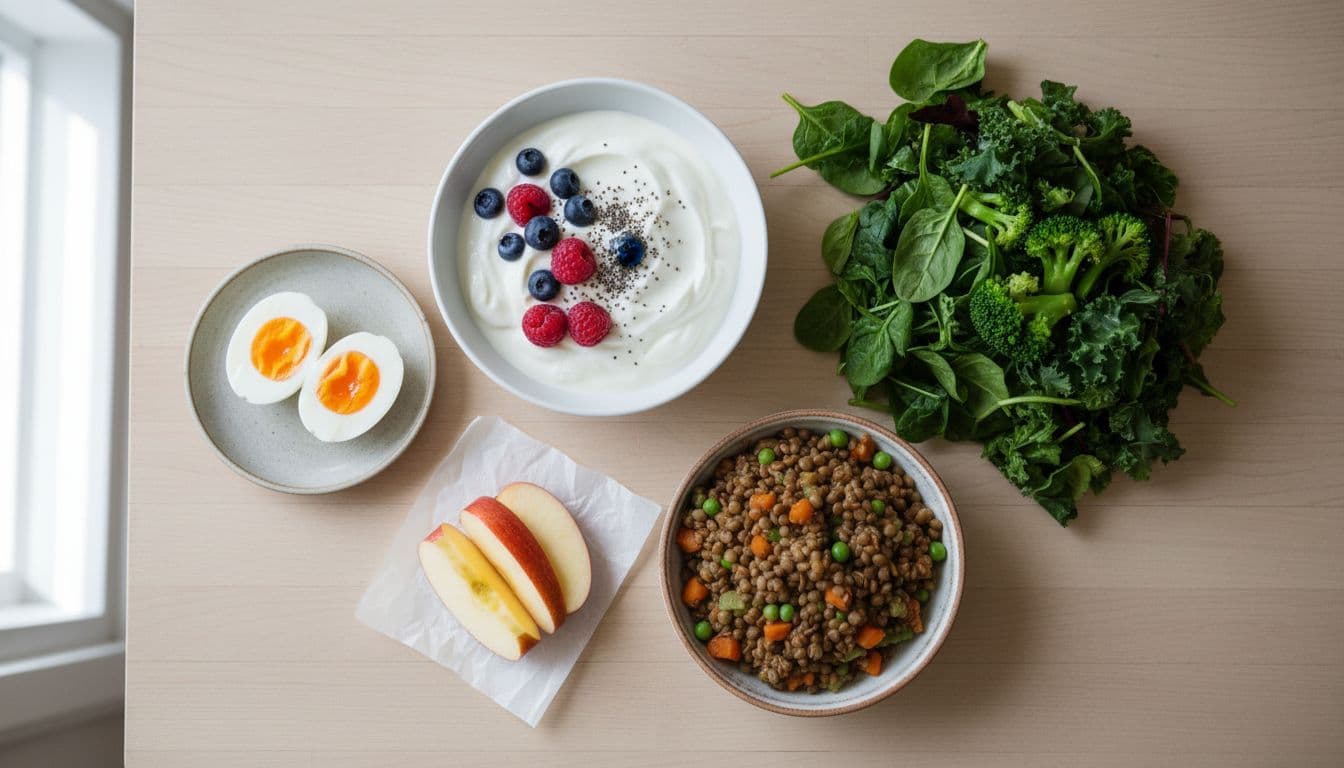
So I ate more eggs, Greek yogurt, chicken, tuna, beans, lentils, fruit, vegetables, broth-based soup, and oats. Those foods gave me more chewing, more volume, and fewer rebound cravings later.
In 2026, a lot of practical weight loss advice still points to the same pattern, more protein, more fiber, and more plant-forward meals. That matched my experience.
Exactly what I changed in my meals each day
I didn’t follow a named diet. I repeated a few meal habits until they became automatic. That mattered more than any plan with a catchy label.
I cut the sneaky calories first, drinks, snacks, and extras
The first cuts were easy because they didn’t leave me much hungrier. I stopped drinking so many calories. Soda, juice, sweet coffee drinks, alcohol, and big smoothies added up fast but didn’t keep me full.
Then I looked at the extras. Heavy dressing, cooking oil poured without measuring, cheese handfuls, “healthy” granola, peanut butter straight from the jar, and random bites while cooking all counted. So did mindless snacks that felt too small to matter.
Those changes made a bigger dent than I expected. In many cases, small swaps like these can save hundreds of calories, which is why expert advice on losing weight without exercise often starts there.
Water, seltzer, unsweet tea, and black coffee became my defaults. I still had treats, but I stopped letting them sneak in all day.
I built easy meals around protein, fiber, and simple portions
My meals got much easier once I used a basic formula. First came protein. Next came produce. Then I added a smaller portion of starch or something fun.
A normal dinner might be chicken or beans, a big pile of vegetables, and a modest scoop of rice or potatoes. Breakfast was Greek yogurt with berries, or eggs with fruit and toast. Lunch was usually a large salad with protein, or soup plus something filling on the side.
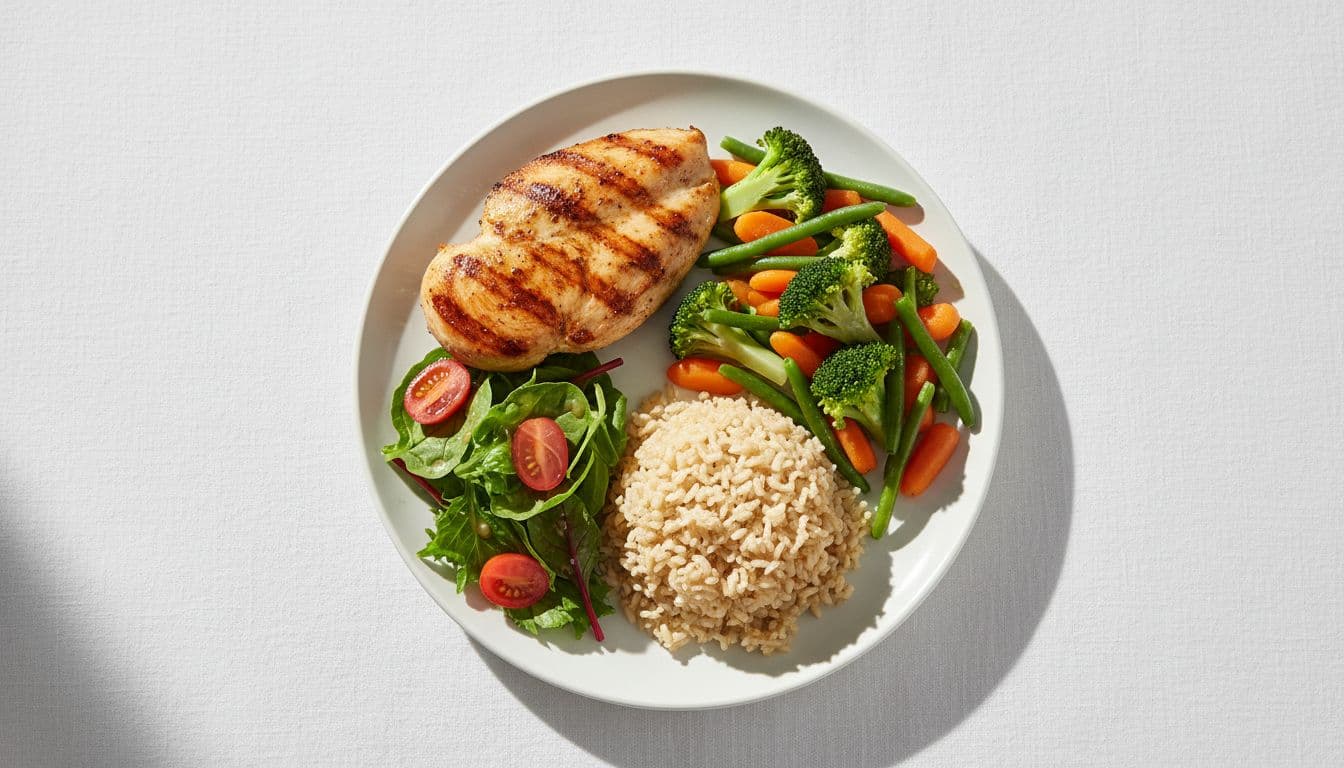
That style fits a lot of sustainable eating patterns people like in 2026, including high-protein eating, plant-forward meals, low-carb without full keto, and volumetrics. The best plan isn’t the trendiest one. It’s the one you can keep doing on a busy Wednesday. For ideas, these foods packed with protein and fiber are a good place to start.
I gave myself a clear eating routine so I stopped grazing
Structure helped more than willpower. I didn’t need strict fasting rules, but I did need edges around my eating.
Some days I ate in an 8 to 10 hour window. Other days, I simply stopped eating two or three hours before bed. Either way, the point was the same: fewer random calories, less late-night snacking, and better hunger signals the next day.
Once grazing went down, my calories dropped without much effort. That’s when the process started to feel calm.
The non-exercise habits that helped the weight stay off
Food drove the fat loss, but a few support habits made it easier to stick with.
I tracked just enough to stay honest
I didn’t track forever, and I didn’t aim for perfect numbers. For a few weeks, I logged meals, weighed calorie-dense foods, and checked my weight regularly. That gave me a reality check.
It also exposed the foods that fooled me. Nuts, oils, granola, trail mix, and “clean” snack bars were easy to underestimate. A little awareness went a long way. If you still think workouts are the main starting point, this guide on how to lose weight without exercise makes the same case in plain language.
I protected my sleep and stress so cravings did not run the show
Bad sleep made me hungrier. Stress made me want fast comfort food. Once I noticed that pattern, I stopped treating cravings like a character flaw.
So I built a calmer evening routine. I ate dinner earlier, cut back on late-night scrolling, and gave myself time to wind down. On rough days, I wrote a few lines in a notebook or took five slow breaths before heading to the kitchen.
Those habits sound small, but they kept impulse eating from taking over.
What mattered most in the end
Losing 25 pounds without exercise came down to simple food changes done again and again. I cut liquid calories, ate more protein and fiber, used a basic meal structure, and tracked enough to stay aware.
None of it was perfect. It just worked because I could live with it.
If you want to start this week, pick one or two changes, not ten. Cut the drinks, fix breakfast, or stop the late-night grazing. Small moves, done daily, beat a perfect plan you quit by Friday.