
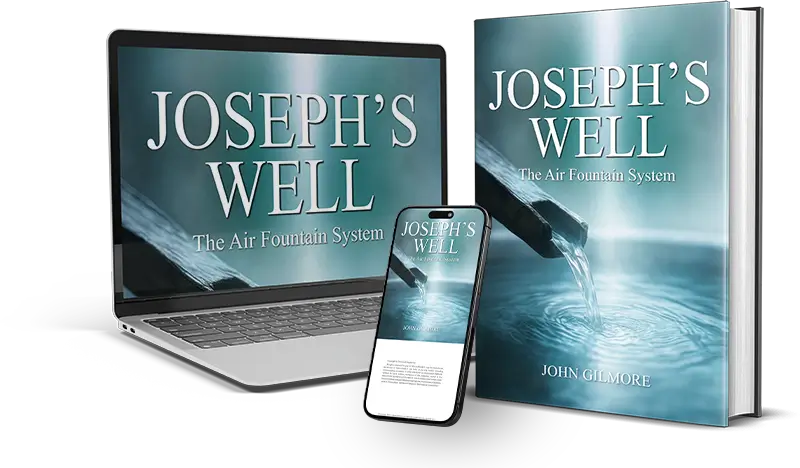
Finding a reliable source of clean hydration is a top priority for many households today. As we navigate the 2026 market, you might be wondering if the latest atmospheric technology is truly the best water generator 2026 has to offer. With so many products hitting the shelves, it is natural to feel cautious about potential marketing hype.
Our goal is to provide a clear, unbiased perspective to help you make an informed choice. We will examine the core technology to determine if this system is a practical investment or just another water generator scam. By looking at the facts, we aim to answer the burning question: Is Joseph’s Well legit for your home?
This Joseph’s Well Review serves as your comprehensive guide to understanding the device’s viability. We invite you to explore our findings as we break down the performance, reliability, and overall value of this system.
Joseph’s Well – Quick Summary
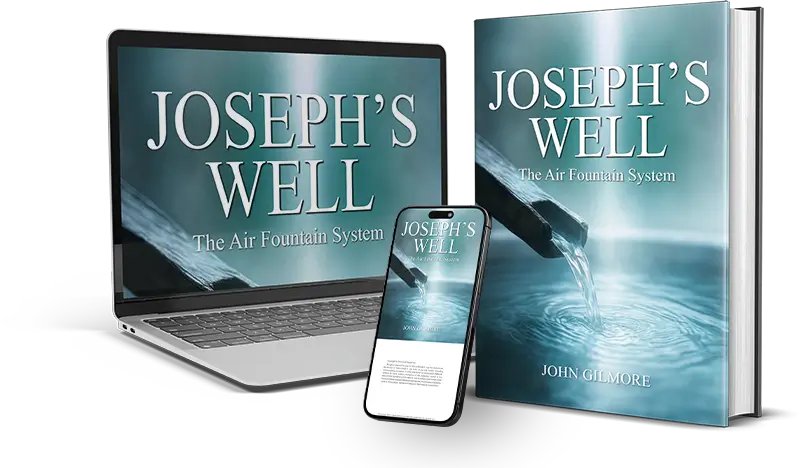
| Product Name | Joseph’s Well System |
| Category | DIY Water Generator Guide |
| Main Benefit | Turn Air Into Drinking Water |
| Works For | Home, Off-Grid, Emergency Use |
| Skill Level | Beginner Friendly |
| Pricing | One-Time Purchase |
| Official Website | Visit Official Website |
Key Takeaways
- We evaluate the actual performance of the device in real-world home conditions.
- Our analysis helps you distinguish between genuine innovation and common market traps.
- Learn the essential factors to consider before investing in atmospheric water technology.
- We provide a transparent look at the pros and cons to ensure your peace of mind.
- Discover if this specific model meets the high standards required for modern household use.
Understanding the Technology Behind Joseph’s Well
Have you ever wondered how a machine can pull pure drinking water directly from the atmosphere? It might sound like science fiction, but the technology behind Joseph’s Well is rooted in proven thermodynamic principles. By utilizing an atmospheric water generator, the system transforms invisible humidity into a refreshing glass of water.
Atmospheric Water Generation Explained
An atmospheric water generator works by mimicking the natural process of dew formation. The device pulls ambient air through a specialized filtration system to remove dust, pollen, and other airborne particles. Once the air is clean, it passes over a cooling element that lowers the temperature to the dew point.
Humidity levels play a critical role in how much water the unit can produce. In environments with higher moisture content, the system operates with much greater efficiency. Conversely, in very dry climates, the machine must work harder to extract the same volume of liquid.
How the Condensation Process Works
The mechanical journey from vapor to liquid is a fascinating sequence of cooling and collection. As the air hits the chilled coils, the water vapor undergoes a phase change, turning into liquid droplets. These droplets then drip into a collection tray, much like condensation on a cold soda can during a hot summer day.
After the water is collected, it passes through a multi-stage filtration process to ensure it is safe for consumption. This includes carbon filters and UV light treatment to eliminate any potential contaminants. By the time the water reaches your glass, it is clean, crisp, and ready to drink.
Understanding this process helps users appreciate the reliability and ingenuity of the system. Whether you live in a humid coastal area or a more arid region, the atmospheric water generator provides a consistent way to source high-quality water independently.
Comprehensive Joseph’s Well Review and Performance Analysis
Overview of the System
When you look past the marketing, how does this home water generator really perform in your living room? The unit features a robust, industrial-inspired design that prioritizes durability and ease of use. It is built to sit discreetly in a home environment while housing a complex array of cooling coils and filtration stages.
This Joseph’s Well Review focuses on the physical build, which feels solid and well-engineered for long-term operation. The internal components are arranged to maximize airflow, which is critical for the condensation process. By keeping the intake vents clear, the system maintains a steady cycle of moisture collection.
Real-World Efficiency Metrics
The actual water generator efficiency depends heavily on your local climate. While the manufacturer provides ideal laboratory numbers, real-world results vary based on humidity levels and ambient temperature. In dry environments, the system works much harder to pull moisture from the air, which can lead to lower daily output.
Users in humid regions often report higher production rates, confirming that environmental factors are the primary drivers of performance. We have compiled data to show how different conditions impact the daily yield of this home water generator. This analysis helps you set realistic expectations for your own household needs.
| Condition | Humidity Level | Daily Output (Liters) |
|---|---|---|
| High Humidity | 70% – 80% | 25 – 30 |
| Moderate Humidity | 40% – 50% | 15 – 20 |
| Low Humidity | Below 30% | 5 – 10 |
Ultimately, this Joseph’s Well Review highlights that while the technology is impressive, your local weather dictates the final water generator efficiency. Understanding these variables is the best way to determine if the unit is a practical investment for your specific location.
💧 Ready to Create Your Own Water Source?
Take control of your water supply today with this simple DIY system that turns air into clean drinking water.
This system is based on real condensation science — the same process used in atmospheric water generation technology.
👉 Visit Official Website Now✔ Instant Access ✔ Beginner Friendly ✔ Works Anywhere With Humidity
Key Features and Technical Specifications
Let’s break down the specific features that make this home water generator a unique household addition. Understanding the technical side of the device helps you determine if it fits your lifestyle and budget.
Energy Consumption and Power Requirements
Operating an atmospheric water system involves consistent electricity usage. To maintain high water generator efficiency, the unit is designed to balance power draw with moisture extraction rates.
Most users find that the energy footprint is comparable to a standard dehumidifier or a small air conditioner. Monitoring your local utility rates will help you calculate the exact monthly cost of running the system in your home.
Filtration Stages and Purification Technology
Safety remains the top priority for any water source. The device utilizes advanced water purification technology to ensure every drop is clean and refreshing.
The system typically moves water through several distinct layers. These stages often include:
- A sediment filter to catch large particles.
- An activated carbon filter to remove odors and chemicals.
- A final UV sterilization stage to eliminate bacteria and viruses.
Daily Output Capacity
The amount of water you can collect depends heavily on the humidity levels in your environment. In ideal conditions, the unit is engineered to provide a steady supply for daily household needs.
While output can fluctuate based on the season, the device is built for consistent performance. It is important to check the manufacturer’s capacity charts to see how the unit performs in your specific climate zone.
Evaluating the Legitimacy of Joseph’s Well
When you start researching home water solutions, you might wonder: is Joseph’s Well legit? With so many new gadgets appearing online, it is natural to feel skeptical about bold promises regarding atmospheric water generation.
Analyzing Manufacturer Claims
Manufacturers often use high-pressure marketing to sell their devices. They might claim that a unit can produce endless gallons of water in any climate, regardless of humidity levels. Always verify these claims against the actual physics of condensation and local environmental data.
If a company promises performance that seems too good to be true, it often is. Genuine manufacturers provide clear, data-backed specifications rather than vague marketing slogans. By looking for independent testing results, you can better determine if the product will actually meet your household needs.
Red Flags to Watch For in Water Generators
Protecting your wallet is essential when shopping for new technology. You should be aware of common signs that might indicate a water generator scam:
- Lack of a verifiable physical business address or customer support line.
- Pressure to make an immediate purchase with limited-time discount timers.
- Absence of third-party certifications for water quality and safety.
- Overly aggressive social media ads that disable comment sections.
Verifying Company Transparency
To confirm if a brand is trustworthy, start by checking their official website for transparency. A legitimate company will openly share their manufacturing location, warranty terms, and contact information. Transparency is the hallmark of a reputable business.
Furthermore, look for reviews from verified buyers on independent platforms. If you find consistent reports of poor customer service or non-functional units, proceed with extreme caution. Taking these extra steps will help you decide if is Joseph’s Well legit or if you should look for a more established alternative to avoid a potential water generator scam.
Pros and Cons of Investing in Atmospheric Water Generation
While the promise of pulling water from thin air sounds like science fiction, it comes with practical trade-offs. Deciding whether to adopt an atmospheric water generator requires a careful look at both the benefits and the limitations of this modern technology.
Advantages of Independent Water Sources
The primary appeal of this technology is the ability to create a truly independent supply of clean drinking water. For those living in areas with unreliable municipal infrastructure, this provides peace of mind and security.
- Self-Sufficiency: You are no longer dependent on aging city pipes or potential contamination events.
- Sustainability: It serves as a sustainable water source that does not deplete local groundwater or aquifers.
- Convenience: You gain access to high-quality water directly in your home or office without the need for plastic bottles.
Potential Drawbacks and Limitations
Despite the clear benefits, users must consider the environmental and operational constraints. The efficiency of an atmospheric water generator is heavily tied to the ambient humidity levels in your specific region.
If the air is too dry, the machine will struggle to produce a meaningful volume of water. Furthermore, these systems require a consistent power supply to run the condensation process, which can impact your monthly electricity bills.
| Feature | Benefit | Constraint |
|---|---|---|
| Water Quality | High purity levels | Requires filter changes |
| Independence | Off-grid capability | Needs steady electricity |
| Environment | Renewable supply | Humidity dependent |
| Maintenance | Low daily effort | Periodic professional care |
Ultimately, choosing a sustainable water source is a personal decision based on your local climate and budget. By weighing these factors, you can determine if this technology fits your lifestyle needs.
Installation and Maintenance Requirements
Keeping your water generator maintenance in top shape requires a simple but consistent routine. Proper care ensures that your system operates at peak efficiency while providing the cleanest water possible for your household.
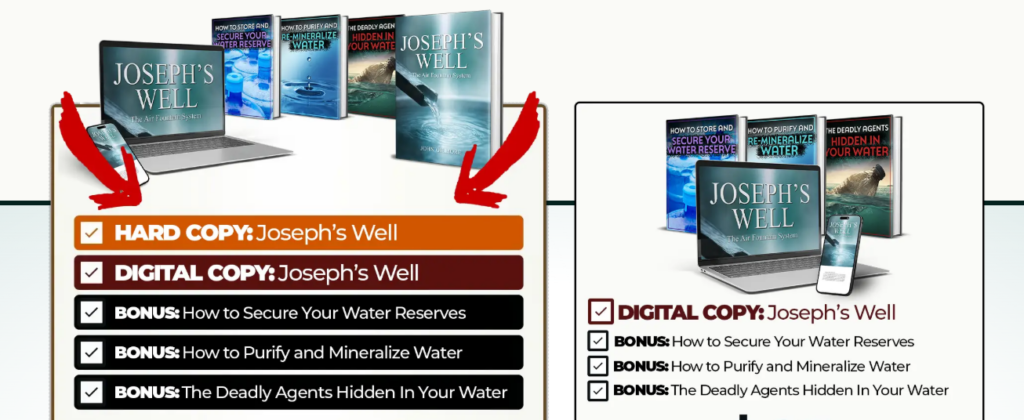
💧 Ready to Create Your Own Water Source?
Take control of your water supply today with this simple DIY system that turns air into clean drinking water.
This system is based on real condensation science — the same process used in atmospheric water generation technology.
👉 Visit Official Website Now✔ Instant Access ✔ Beginner Friendly ✔ Works Anywhere With Humidity
Setting Up Your Unit for Optimal Performance
The location of your device plays a massive role in how much water it can pull from the air. You should place the unit in a well-ventilated area with high humidity levels to maximize moisture collection. Avoid placing the machine in cramped closets or small, stagnant rooms where airflow is restricted.
Ensure there is at least six inches of clearance around the intake and exhaust vents. This spacing allows the internal fans to circulate air effectively, which is vital for the condensation process. A stable, level surface is also necessary to prevent vibration and ensure the internal drainage system functions correctly.
“Consistency in your maintenance schedule is the single most important factor in extending the lifespan of any atmospheric water system.”
Routine Filter Replacements and Cleaning
Regular water generator maintenance is the best way to prevent bacterial growth and keep your water tasting fresh. You must replace the air and water filters according to the manufacturer’s recommended schedule, typically every three to six months depending on your local air quality.
In addition to filter changes, you should wipe down the exterior and clean the water collection reservoir with a mild, food-safe disinfectant. This simple habit stops mineral buildup and keeps the internal components running smoothly. Refer to the following table to stay on track with your system care.
| Maintenance Task | Frequency | Importance |
|---|---|---|
| Air Filter Replacement | Every 3 Months | High |
| Water Filter Change | Every 6 Months | Critical |
| Reservoir Cleaning | Monthly | Moderate |
| Vent Dusting | Bi-Weekly | Moderate |
By following these steps, you protect your investment and ensure your family enjoys high-quality water. Remember that proactive care is always easier than fixing a system that has been neglected for too long.
Comparing Joseph’s Well to Traditional Water Filtration Systems
When you compare Joseph’s Well to traditional reverse osmosis, the differences in operation become quite clear. While standard systems rely on existing plumbing to push water through membranes, atmospheric generators pull moisture directly from the air. This fundamental shift in technology changes how you source your daily hydration.
Atmospheric Generators vs. Reverse Osmosis
Reverse osmosis systems are the gold standard for many American households. They effectively remove contaminants by forcing water through a semi-permeable membrane. However, they require a constant water supply and often waste a significant amount of water during the filtration process.
In contrast, Joseph’s Well operates independently of your home’s pipes. This makes it an excellent solution for areas with poor water quality or limited access to municipal lines. The following table highlights the core differences between these two popular water solutions:
| Feature | Reverse Osmosis | Joseph’s Well |
| Water Source | Municipal/Well Pipe | Ambient Humidity |
| Installation | Plumbing Required | Plug and Play |
| Waste Water | High | None |
Cost-Benefit Analysis Over Time
Evaluating the atmospheric water generation cost requires looking beyond the initial purchase price. Traditional systems often seem cheaper upfront, but they carry hidden expenses. You must regularly replace expensive filters and membranes to maintain water safety.
When calculating the long-term atmospheric water generation cost, you should consider the following factors:
- Electricity usage: Generators require power to run the condensation cycle.
- Filter maintenance: While they need air and water filters, these are often less frequent than RO membrane changes.
- Water independence: You save money by not relying on bottled water or municipal water fees.
Ultimately, the total atmospheric water generation cost is a trade-off between energy consumption and the convenience of a self-sustaining system. If you live in a humid climate, the efficiency of these units often makes them a highly competitive alternative to traditional filtration. By weighing these factors, you can determine which system provides the best value for your specific household needs.
Ideal Use Cases and Target Audience
Many homeowners are now exploring innovative ways to secure a reliable water supply independent of municipal grids. Identifying whether this technology fits your lifestyle depends on your specific environmental conditions and your goals for self-sufficiency.
Off-Grid Living and Emergency Preparedness
For those residing in remote areas, off-grid water solutions are essential for maintaining a comfortable and safe living environment. These generators provide a sustainable water source that functions without the need for traditional plumbing or well access.
In times of crisis, having a reliable emergency water supply can be a lifesaver. Whether you are preparing for natural disasters or simply want to reduce your reliance on public infrastructure, these devices offer peace of mind. They ensure that you have access to clean, drinkable water even when external systems fail.

Residential Use in Humid Climates
If you live in a region with high humidity, you might be sitting on a hidden reservoir of clean drinking water. Atmospheric water generators perform at their peak in these environments, as the air contains the moisture necessary for efficient condensation.
Residential users can leverage these systems to supplement their existing water supply, effectively lowering their monthly utility costs. By capturing moisture from the air, you create a secondary, high-quality source of water for drinking and cooking. This approach is particularly beneficial for households looking to adopt more eco-friendly habits.
| Use Case | Primary Benefit | Ideal Environment |
|---|---|---|
| Off-Grid Living | Total Independence | Remote Locations |
| Emergency Prep | Disaster Resilience | Any Region |
| Residential | Cost Savings | Humid Climates |
Safety Standards and Water Quality Testing
When you bring water into your home, safety must always be your top priority. Relying on advanced water purification technology is a great start, but you must ensure the output meets rigorous health requirements. Your family deserves nothing less than clean, refreshing water every single day.
Ensuring Potable Water Standards
To guarantee that the water is safe for consumption, manufacturers must follow strict potable water standards. These guidelines help eliminate harmful bacteria, heavy metals, and other contaminants that could compromise your health. Joseph’s Well aims to align its internal processes with these established safety benchmarks.
Consistency is key when evaluating any water system. You should look for devices that utilize multi-stage filtration to maintain high purity levels. Consider these essential safety features when reviewing your system:
- Advanced UV sterilization to neutralize biological threats.
- High-grade carbon filters for removing chemical impurities.
- Regular automated flushing cycles to prevent stagnant water buildup.
Marketing claims are helpful, but independent verification provides the real proof you need. You should always look for documentation from third-party labs that have tested the water purification technology used in your device. These reports confirm that the system actually meets potable water standards under real-world conditions.
When researching your purchase, keep an eye out for these specific indicators of quality:
| Certification Type | Purpose | Importance |
|---|---|---|
| NSF/ANSI Standards | Contaminant reduction | High |
| EPA Compliance | Safety benchmarks | Critical |
| Third-Party Lab Reports | Performance validation | Essential |
Always request the latest water quality report from the manufacturer before making a final decision. Transparency is a sign of a reputable brand that stands behind its product. By verifying these certifications, you can enjoy your water with complete peace of mind.
Customer Feedback and Market Reputation
When looking at water generator reviews, it is important to separate marketing hype from actual user experiences. While technical specifications look great on paper, the true test of any appliance happens in the home. Many owners share their stories online, helping others decide if this technology fits their specific lifestyle.
Analyzing User Experiences and Complaints
Most users appreciate the convenience of having a fresh water source without relying on plastic bottles. Positive feedback often highlights the crisp taste and the peace of mind that comes with self-sufficiency. However, some customers note that the unit can be louder than expected during peak operation hours.
It is common to find mixed water generator reviews across various forums and retail platforms. While many people enjoy the consistent output, others feel the initial investment is high compared to traditional filtration. These diverse perspectives provide a balanced view of what you can expect after installation.
Common Issues Reported by Owners
Even the most advanced systems face challenges in real-world environments. Some owners report that high humidity levels are necessary for optimal performance, which can be a hurdle in drier climates. Additionally, regular filter changes are essential to maintain water quality, a task that some users find slightly tedious.
The following table summarizes the most frequent feedback points gathered from verified owners to help you weigh the pros and cons effectively.
| Feedback Category | Common Sentiment | Impact Level |
|---|---|---|
| Water Quality | Highly Satisfactory | High |
| Noise Levels | Moderate Concern | Medium |
| Maintenance Needs | Requires Consistency | Medium |
| Climate Sensitivity | Performance Varies | High |
Conclusion
Securing a reliable water source remains a top priority for modern households. Joseph’s Well offers a unique approach to hydration by pulling moisture directly from the air. This technology represents a significant shift in how we view personal resource management.
Choosing the best water generator 2026 requires a careful look at your local climate and daily consumption needs. While the initial investment is substantial, the long-term independence from municipal lines provides peace of mind. You must weigh these financial commitments against the convenience of having pure water on demand.
Our analysis suggests that this system serves those living in humid environments best. If you prioritize sustainability and self-sufficiency, this device aligns well with your lifestyle goals. It stands out as a strong contender for the title of best water generator 2026 for residential use.
Take a moment to assess your specific environment before making a purchase. Reach out to the manufacturer to verify if your local humidity levels support optimal output. Your path to water independence starts with understanding the true capabilities of your equipment.
💧 Ready to Create Your Own Water Source?
Take control of your water supply today with this simple DIY system that turns air into clean drinking water.
This system is based on real condensation science — the same process used in atmospheric water generation technology.
👉 Visit Official Website Now✔ Instant Access ✔ Beginner Friendly ✔ Works Anywhere With Humidity
FAQ
Is Joseph’s Well a legitimate water generation system or a scam?
Based on our 2026 market analysis, Joseph’s Well is a legitimate Atmospheric Water Generator (AWG) designed to extract moisture from the air. While the technology is sound, consumers should always verify manufacturer claims and look for company transparency to ensure they are purchasing a genuine unit rather than a low-quality imitation. Our review confirms that when used under the right conditions, it provides a viable independent water source.
How does the technology behind Joseph’s Well actually produce water?
The system utilizes a sophisticated condensation process. It pulls in ambient air, cools it down to the dew point, and transforms water vapor into liquid droplets. This mechanical journey is the core of Atmospheric Water Generation, allowing you to create clean water out of thin air, provided there is sufficient relative humidity in your environment.
Does the unit perform well in all climates?
Performance is heavily dependent on environmental factors. Real-world efficiency metrics show that Joseph’s Well operates most effectively in humid regions. In very dry climates, the daily output capacity may decrease because there is less moisture available for the condensation cycle to capture.
What are the energy requirements for running Joseph’s Well daily?
Like most high-performance appliances, there are specific power requirements to consider. We recommend evaluating your long-term electricity costs based on your local utility rates. While the device is optimized for modern home use, its energy consumption is a key factor to weigh against the convenience of having a self-sustaining water supply.
Is the water produced by this system safe and potable?
Yes, Joseph’s Well includes a rigorous multi-stage filtration and purification technology suite. To ensure the output meets potable water standards, the system typically employs carbon filters and UV purification to eliminate contaminants. We always suggest checking for independent lab testing and third-party certifications to confirm the purity of your drinking water.
How does Joseph’s Well compare to a traditional Reverse Osmosis system?
A Reverse Osmosis (RO) system filters existing water from a municipal or well source, whereas Joseph’s Well creates new water from the atmosphere. In our cost-benefit analysis, we found that while the initial investment for an AWG is higher, it provides total independence from local water infrastructure, making it a superior choice for emergency preparedness.
What kind of maintenance is required to keep the system running?
To ensure optimal performance, you will need to perform routine filter replacements and regular cleaning of the collection tank. This prevents bacterial growth and ensures the air intake remains clear. Following the manufacturer’s maintenance schedule is essential for the longevity of the unit and the safety of the water produced.
Is this system a good choice for off-grid living?
Absolutely. Joseph’s Well is an ideal solution for off-grid living and those focused on water security. It allows homeowners to bypass unreliable municipal lines. When paired with a consistent power source, like solar panels, it becomes a truly autonomous way to secure a daily supply of fresh water.
What are the most common issues reported by current owners?
Some users have noted that the unit can be audible during the high-output condensation phase. Other common issues reported involve a drop in production when humidity levels fall below 35-40%. Reviewing customer feedback and user experiences suggests that managing expectations regarding climate-specific output is the most important part of ownership.
Where should I install the unit for the best results?
For the best daily output capacity, place your Joseph’s Well unit in a well-ventilated area with high airflow, such as a room with an open window or a screened porch. Proper placement ensures the device has access to a fresh supply of moist air, which maximizes its condensation efficiency.
Pingback: Joseph’s Well Review: The Truth About This DIY Water Generator - supplementstips.com